A Mt. Fuji and Hakone private tour can become a two-, three- or four-day journey, with sightseeing linked to your next hotel. Depending on your time, you can add Kamakura, Enoshima or northern Izu, then return to Tokyo or continue toward Kyoto by Shinkansen.
Do you need to see everything in one day and return to Tokyo? Staying near the sights lets you enjoy a ryokan evening and continue the next morning. It can reduce repeated journeys and luggage handling, although the best transport choice still depends on your budget and group.
Which Places Can You Combine?
Kawaguchiko offers lake scenery and viewpoints around Mount Fuji. Oishi Park and Oshino Hakkai are possible stops, but clouds can hide the mountain. Choose accommodation separately for its location, bathing facilities and meal plan.
Hakone combines hot springs, Lake Ashi and the volcanic scenery of Owakudani. Your hotel’s location matters when planning the day, while ropeways and sightseeing boats depend on operating conditions.
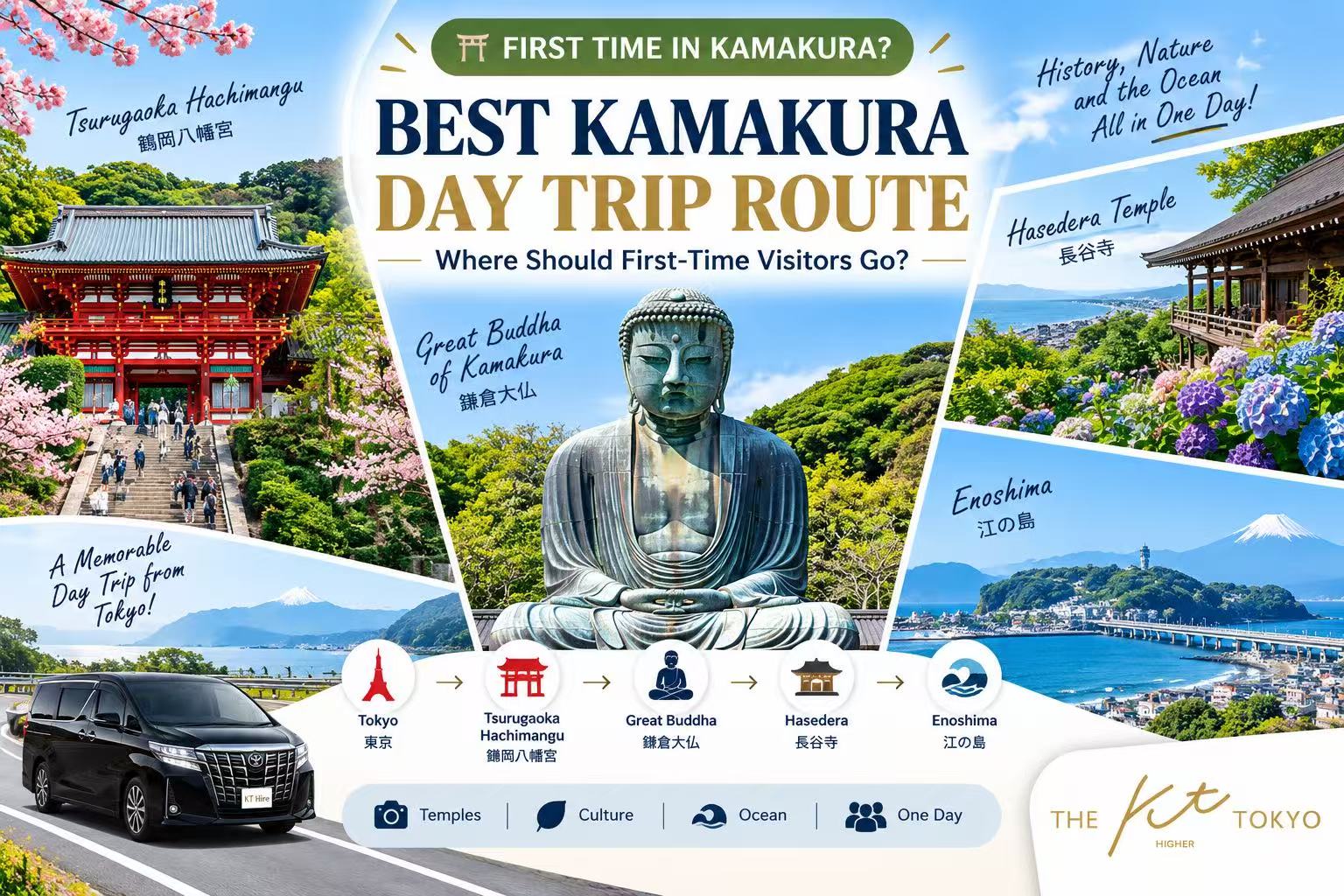
Kamakura offers temples and historic streets; nearby Enoshima adds coastal scenery. Some visits involve substantial walking and stairs, so select stops around your group’s mobility.
Izu is a large peninsula. Shuzenji’s riverside lanes and hot spring accommodation suit the four-day example below. Ito lies on the eastern coast, while Shimoda is farther south; these destinations are not interchangeable overnight stops.
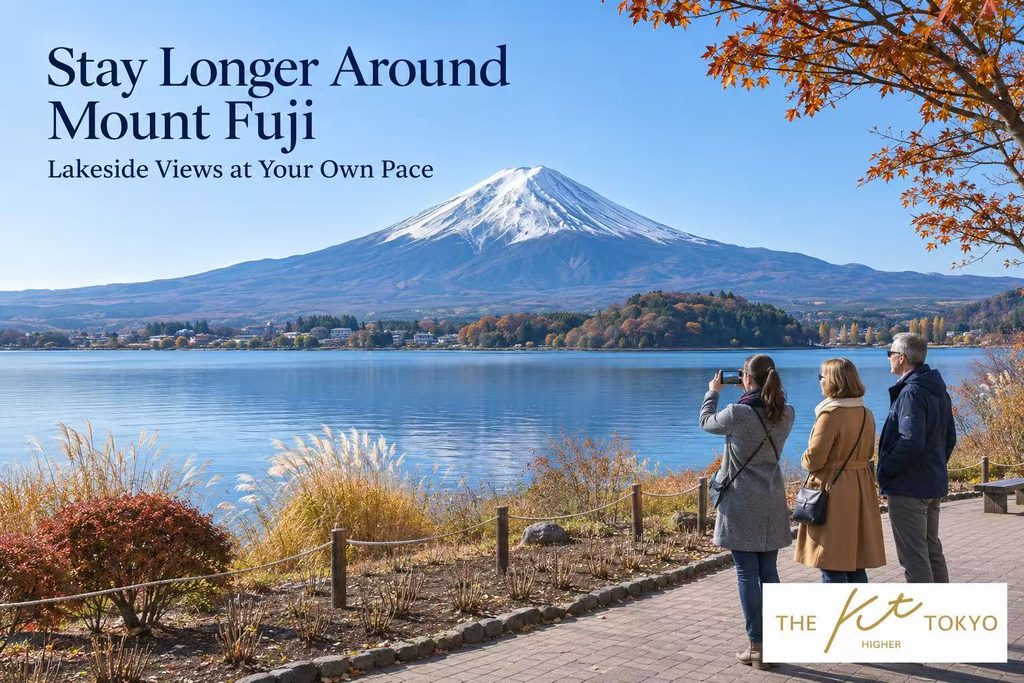
Two Days: Mount Fuji Sightseeing and a Hakone Ryokan
Day 1: Tokyo → Kawaguchiko → Hakone
Leave your Tokyo hotel in the morning and choose two nearby stops, such as Oishi Park and Oshino Hakkai. Keep lunch relaxed, then leave the Fuji area early enough for the drive to Hakone. Confirm your ryokan’s dinner deadline before setting the sightseeing schedule.
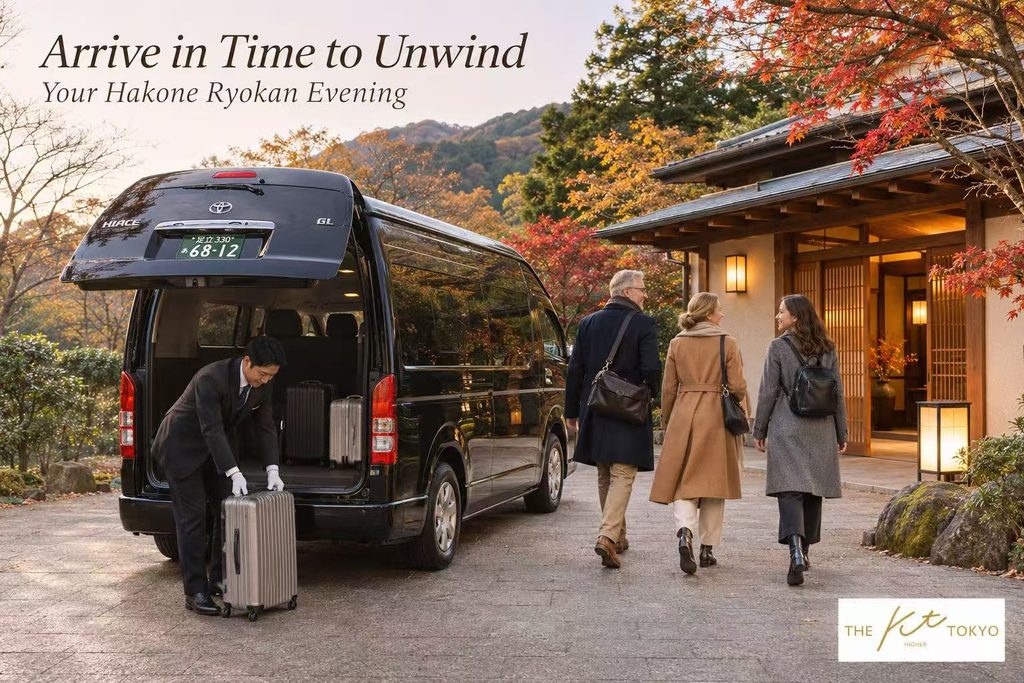
Day 2: Hakone → Tokyo or Odawara Station
After breakfast, explore a different landscape around Lake Ashi or Owakudani. A boat trip or ropeway ride can be included when operating, but neither needs to be compulsory. Finish at your Tokyo hotel, or arrange a Hakone to Odawara Station transfer for an onward train.
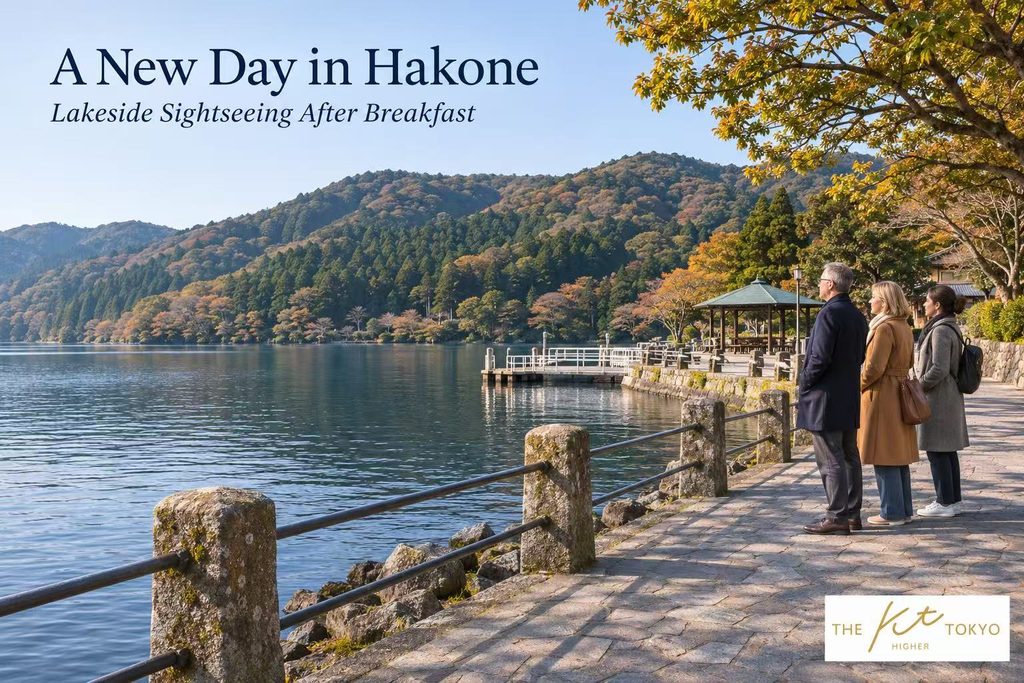
Three Days: Fuji, Hakone and the Kamakura Coast
Day 1: Tokyo → Mount Fuji Area
Spend the first day around Kawaguchiko, choosing a lakeside walk and one additional viewpoint. Staying nearby gives you time to settle into your accommodation instead of continuing to Hakone that evening. Consider a ryokan plan with dinner and breakfast.
Day 2: Mount Fuji Area → Hakone
Travel to Hakone after breakfast and select a compact sightseeing route near your overnight accommodation. For example, combine Lake Ashi with one nearby attraction. Dividing the regions across two days creates more time for meals, walks and an unhurried check-in.
Day 3: Hakone → Kamakura and Enoshima → Tokyo
Choose one cultural stop, such as Kamakura’s Great Buddha, and a shorter coastal visit around Enoshima. Allow for traffic, parking and walking rather than attempting every landmark. Travelers continuing to Kyoto can skip the coast, enjoy more of Hakone and finish at Odawara instead.
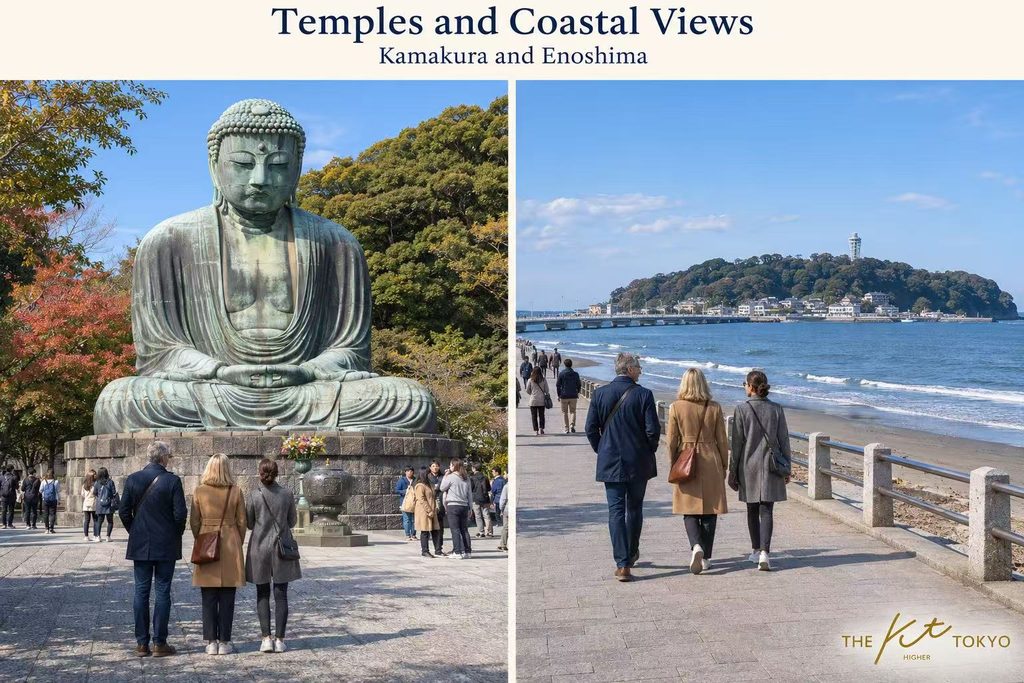
Four Days: Coast, Hakone, Shuzenji and Mount Fuji
Day 1: Tokyo → Kamakura and Enoshima → Hakone
Begin with a temple visit and a coastal walk, then continue to your Hakone accommodation. Keep the first day focused on the coast. Arriving for check-in and dinner is more enjoyable than adding another attraction late in the afternoon.
Day 2: Hakone → Shuzenji, Izu
Explore Lake Ashi or Owakudani before traveling to Shuzenji. Choose one main Hakone experience and perhaps one nearby stop, leaving time for the onward drive. Northern Izu keeps the following day’s journey more manageable than a detour to the southern peninsula.
Day 3: Shuzenji → Mount Fuji Area
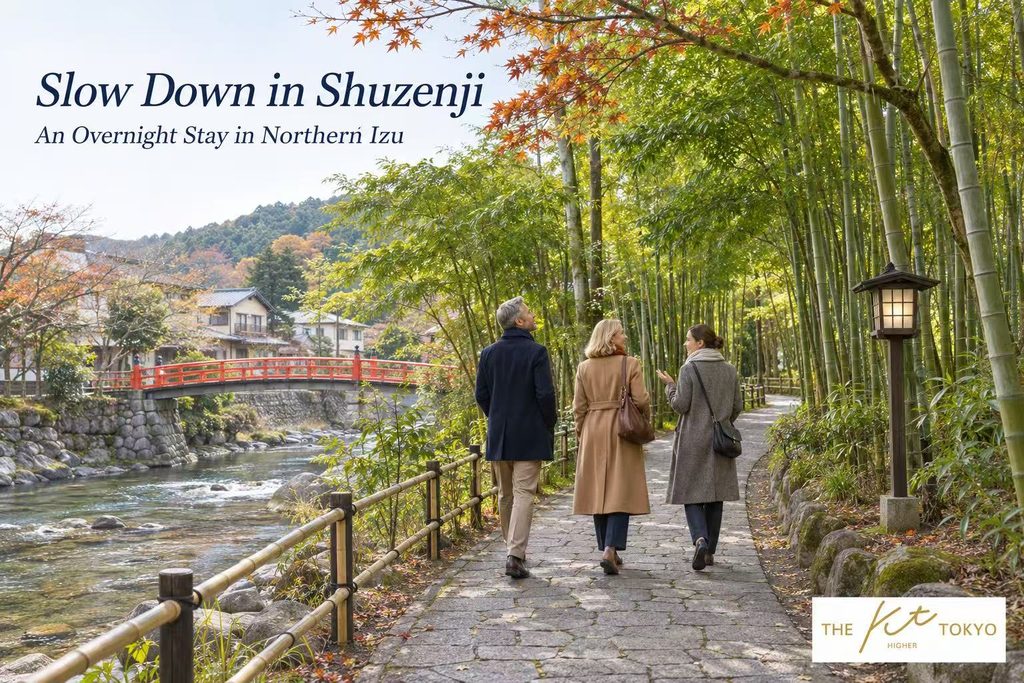
Enjoy a short walk near Shuzenji Temple and the riverside bamboo path before leaving. Continue toward Kawaguchiko, with lunch or a rest stop along the route. Avoid filling the afternoon with extra attractions if your accommodation has an early dinner service.
Day 4: Mount Fuji Sightseeing → Tokyo
Choose one or two viewpoints according to the weather and what you visited earlier. A lakeside walk can still be rewarding when the summit is hidden. Return to Tokyo with a suitable traffic allowance, or redesign the itinerary around an onward railway connection.
Can You Continue to Kyoto or Osaka?
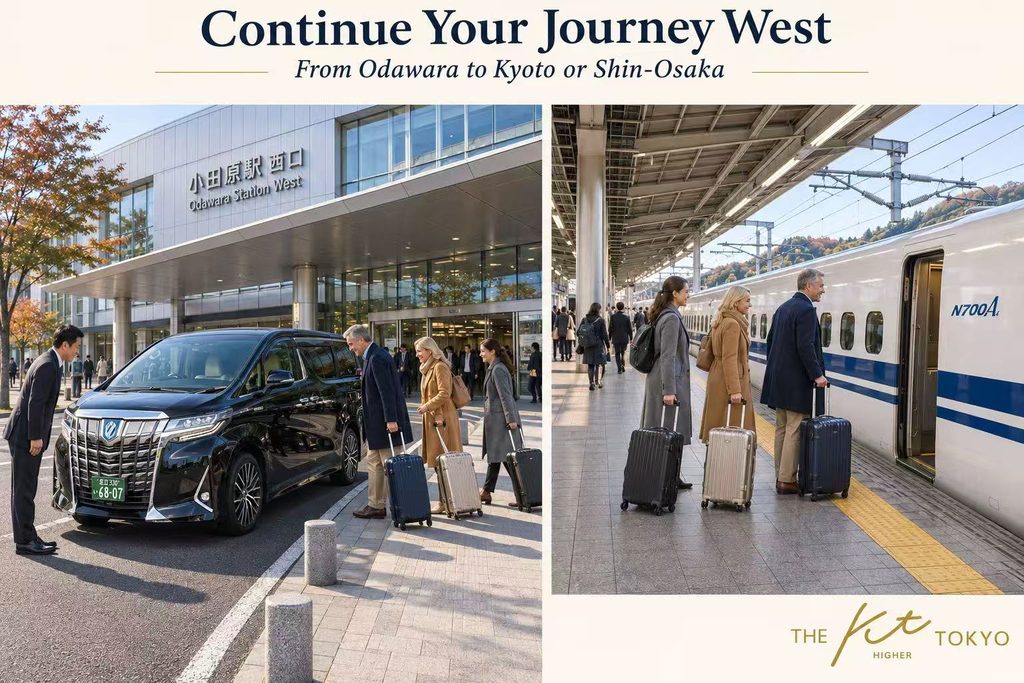
Yes. Odawara is a practical station to consider after Hakone, while Mishima may suit an itinerary ending around Izu or Mount Fuji. Continuing west can require changing the overall sightseeing order, rather than simply replacing the final hotel drop-off.
Representative direct services illustrate the differences. Hikari 649 takes about 2 hours 5 minutes from Odawara to Kyoto and 2 hours 20 minutes to Shin-Osaka. Kodama 811 takes about 2 hours 40 minutes from Mishima to Kyoto and 2 hours 57 minutes to Shin-Osaka. These are train-specific examples, not universal journey times.
Selected Hikari services stop at these stations; other suitable journeys involve a transfer. Check the official JR timetable for your date.
As a road reference, Kawaguchiko Station to Mishima Station is approximately 55 km, with a routing-model estimate of roughly one hour before traffic or breaks. Your actual sightseeing departure point changes that calculation. Leave additional time for road delays, unloading, station access and boarding.
On the Tokaido Shinkansen, baggage exceeding 160 cm and measuring up to 250 cm in combined height, width and depth requires the appropriate oversized-baggage seat reservation. Train tickets are separate from vehicle arrangements.
Should You Use Public Transport or a Private Vehicle?
Public transport is a practical option. Trains and highway buses connect Tokyo with Kawaguchiko, while Hakone has an extensive local transport network. However, changing regions can add transfers and a final journey from the station or stop to your hotel.
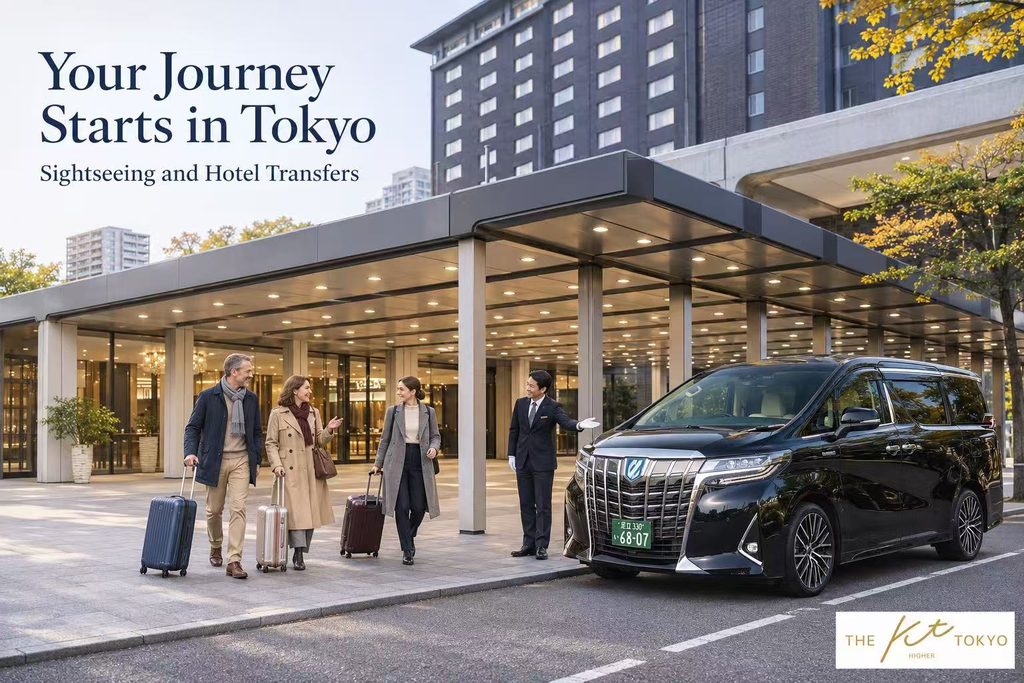
A private vehicle links sightseeing with your next accommodation, reducing repeated luggage handling. Capacity must be checked against both passengers and bags. Keep valuables with you during visits, and confirm parking and luggage arrangements when planning the route.
How Do Multi-Day Vehicle Arrangements Work?
KT Hire can discuss sightseeing with hotel transfers, selected driving days or consecutive days ending at a hotel or station. A multi-day booking does not automatically include overnight vehicle availability.
Confirm daily service hours, additional stops, overtime and any driver accommodation charges in the quotation. Check exactly which tolls, parking and other costs are included. Hotel stays, meals, attraction admission and Shinkansen tickets should not be assumed to form part of the vehicle service.
Ryokan facilities and meal plans vary. Confirm check-in, dinner times and bathing arrangements directly with your accommodation.
Plan Your Route with KT Hire
Send your dates, number of driving days, departure hotel, passenger numbers, suitcase sizes, children’s ages and preferred sights. Include each night’s hotel or intended area, your final destination and any onward train time.
Alphard or HiAce recommendations depend on passengers and total luggage. Request child seats, English-language assistance and rest stops in advance; driver service and tourist guiding are separate arrangements.
Use the WhatsApp option on the official KT Hire website to discuss your route. Accommodation can remain undecided when you enquire; hotel booking is not automatically included.

FAQ
Q1. Can I combine Mt. Fuji and Hakone in a two-day private trip?
Yes. Visit the Fuji area on day one, stay in Hakone and explore Hakone on day two. Limit stops around driving time and your ryokan’s dinner schedule.
Q2. What is the difference between the two-, three- and four-day itineraries?
Two days cover Fuji and Hakone. Three days allow separate overnight stays and a coastal visit. Four days add northern Izu, with more time between regions.
Q3. Can we bring our luggage and stay in a different hotel each night?
Yes, subject to vehicle capacity. Share passenger numbers and every bag’s size before booking. Keep valuables with you during sightseeing.
Q4. Can we finish at Odawara or Mishima Station and continue to Kyoto or Osaka?
Yes. Choose the station around your final sightseeing area, then confirm the specific train, luggage reservation and station arrival buffer.
Q5. What is included in a multi-day private vehicle quotation?
Inclusions depend on the agreed service. Confirm driving dates, daily hours, route, stops, tolls, parking, overtime and any driver accommodation costs before accepting.
Related Articles
A. Best Private Mt. Fuji Day Tour From Tokyo for Families
Published: September 5, 2026
Explore ideas for a family-friendly Fuji sightseeing day before planning an overnight journey.
URL: https://kt-hire.co.jp/en/best-private-mt-fuji-day-tour-from-tokyo-for-families/
B. Tokyo Airport to Hakone Ryokan | Private Transfer from Haneda & Narita with Luggage
Published: September 30, 2026
Consider airport arrival arrangements when starting your trip with a Hakone ryokan stay.
URL: https://kt-hire.co.jp/tokyo-airport-hakone-ryokan-private-transfer/
C. Tokyo to Atami and Ito Onsen | Train vs Private Car for a Coastal Ryokan Stay
Published: November 2, 2026
Compare coastal onsen destinations when considering an extension beyond Fuji and Hakone.
URL: https://kt-hire.co.jp/tokyo-to-atami-ito-onsen-train-private-car/